
Records Behind a McLennan Resident Lookup
Different McLennan County records answer different questions. The tax and appraisal systems can establish a dated owner-and-parcel lead. Election records can show public registration fields subject to protection rules. Court indexes identify a party role and case path, while vital sources can confirm an event only through their own access rules. Treat each result as evidence of a role at a particular time. The strongest resident lookup uses a second independent source before treating two same-name records as one person.
| Record | What It Confirms | Where | Access |
|---|---|---|---|
| Tax or CAD parcel | Named owner, situs, mailing clue, and parcel | McLennan tax portal and MCAD | Public search; tax-roll gaps and site disclaimer apply. |
| Voter record | Registration, precinct, status, and participation fields | Texas My Voter Portal | Public fields may be suppressed for protected voters. |
| Court docket | Party role, case dates, and disposition when displayed | City, county, district, probate, or federal custodian | Portal, clerk request, account, or copy fee depends on court. |
| Vital index or record | Marriage, death, birth, or divorce event lead | County Clerk, local registrar, or Texas DSHS | Eligibility, identification, and confidentiality periods apply. |
| OPR or probate | Recorded party role, estate role, and document trail | County Clerk Official Public Records | Online index, account, books, Archives, or a file request. |
Begin with the source keyed to the information already known. An address fits the tax or MCAD search. A case number belongs with the court that issued it. A date and event place determine the vital-record custodian. A name alone is only a starting point, especially in a countywide resident lookup.
Match Names Across McLennan County Records
Write the name in the forms the custodians use: last name first, initials, middle names, suffixes, maiden or former surnames, and ordinary spelling changes. Compare a name with an address or approximate date, not just broad geography. The county research sequence calls for two independent signals, such as a name plus an address/date or a name plus a stable account, VUID, instrument, or cause number. A conflict is useful too. It can show that a court party, owner, and voter result do not belong to the same individual.
Keep the person’s role beside every result. A grantee received a recorded interest; a grantor transferred one; a court party appears in a case; and a licensee holds a credential. None of those roles alone proves a present address. The County Clerk’s Official Public Records index is especially useful after an address or owner lead, but it has no legal-description index, so searches begin with a grantor or grantee name.
Same-name check. Do not turn a shared name into an identity match. Compare the source date, address type, identifying number, and record role before requesting a document.
McLennan Court Paths for a Resident Lookup
Court records require the right courthouse. Waco Municipal Court handles municipal and Class C matters and offers Citation Number and Date, Name, Driver License, and Vehicle search categories. County courts at law publish hearing lists and current dockets through the county court page. District civil and felony matters, county matters, probate, and federal cases have separate custodians and should not be combined as one search result.
For a district-clerk record, provide a name with date of birth or a cause number. The published local charges list a $5 criminal name/DOB search, $1 per copied page, and possible Archives retrieval for pre-2000 material. A probate index may require an account. Federal Waco Division cases route through PACER, which requires an account and uses a current per-page fee schedule. Ask for the case number, document name, page count, and whether certification is needed before ordering.
Juvenile, sealed, expunged, confidential adoption, and protected family-law material may be restricted. A filing is not a disposition. Preserve the court name and the result’s status rather than recasting an allegation as a conclusion.
Verify One McLennan County Resident
A one-person verification should move from a name to an address, then test that connection in records with different purposes. This sequence uses property, election, court, and vital sources without treating any one of them as a master roster. Record the retrieval date and the source URL as the search proceeds.
- Normalize the name, including a former surname or suffix, and note the known McLennan County place or street address.
- Search the tax portal by Owner Name or Property Address, then keep the account number, CAD reference, situs address, mailing address, and tax year separate.
- Use Texas My Voter Portal’s VUID or name-and-county route only to test public registration fields. A protected or suppressed address ends that branch.
- Choose the correct court and search the party name with a date of birth or cause number when the custodian requires it. Save the docket or case identifier.
- Send a vital request to the proper local or state custodian only when an event date and place support it, and only if the requester is eligible.
- Compare at least two record classes. If name, role, date, address, or identifier conflict, keep the result as a possible match rather than a verified one.
A tax owner is not necessarily the occupant, and a voter status changes over time. This careful McLennan County resident lookup leaves those distinctions visible instead of smoothing them away.
- Docket
- A court’s running case record, usually showing filings, events, parties, dates, and status.
- Index and image
- An index is a finding aid with names or identifiers; an image is the underlying scanned record, which may require a request, account, or copy charge.
- Certified copy
- A custodian-issued copy authenticated for an official purpose. It is different from a search result or an ordinary photocopy.
McLennan Vital Records Follow Event Location
For births and deaths, the local split matters. Events inside Waco city limits or at Waco hospitals go to the Waco-McLennan County Public Health District; the County Clerk does not hold those records. Rural events outside Waco but within McLennan County route to the County Clerk, which provides a rural index. Events outside the county do not belong to either local route. That jurisdiction check prevents a resident lookup from asking the wrong office for a record it cannot issue.
Texas DSHS says births become public at 75 years and deaths at 25 years, with a one-year rule for an unidentified death record. Its request procedures and online ordering route cover statewide births, deaths, marriages, and divorces. The applicant must be eligible, provide required identification, and understand that a verification and a certified copy are different products. Local mail requests require notarization and valid ID under the county form.
Note: A Waco address on a later record does not by itself establish where a birth or death event occurred.
McLennan Voter Details Need a Date
Texas My Voter Portal supports lookup by VUID, first and last name plus county, or eligible Texas driver-license information. Its public data can include name, VUID, precinct, status, and participation history. Participation describes an election event, not a ballot choice or a permanent political affiliation. The effective date and status matter because precincts and registrations can change.
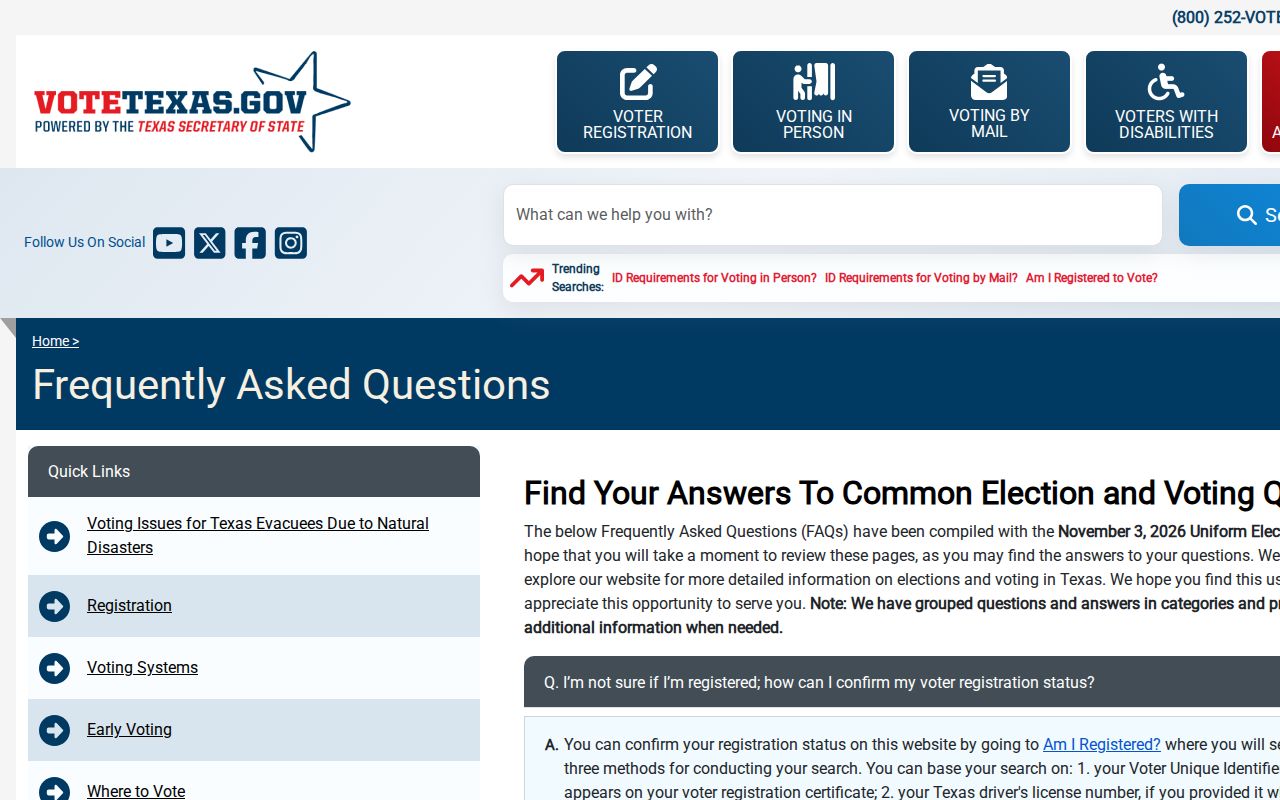
The resident lookup screenshot below shows the official VoteTexas guidance used to choose a matching route. The live form can change, so capture its retrieval date before relying on a field label.
VoteTexas lookup guidance documents the official portal routes.
Use a VUID as a matching aid and minimize display of unnecessary personal fields. Address-confidentiality rules protect eligible voters and participants, so a suppressed address must never be rebuilt from parcel, court, or map records.
McLennan Resident Lookup Requests and Copies
When an online index stops short, request the existing record from the custodian. Texas Attorney General PIA guidance says a Public Information Act request must be in writing and sent to the governmental body. It can be delivered by mail, email, hand delivery, or another method the body authorizes. The Act covers existing information; it does not require an office to answer a question, create a new document, or conduct research in a new format.
Make a narrow request: identify the office, record series, date range, name variants, and any cause, instrument, CAD, or VUID number. State whether inspection, an electronic copy, or a certified copy is needed, along with a fee ceiling and contact method. If a response will take more than ten business days, the governmental body should provide an estimated date. Archive retrieval and copy preparation can still take longer.
| Result field | Why retain it |
|---|---|
| Custodian and source URL | Shows who holds the record and where the lead originated. |
| Name and record role | Distinguishes an owner, party, voter, grantor, or other listed role. |
| Case, account, VUID, or instrument number | Lets the custodian locate the same record without an identity claim. |
| Record date and retrieval date | Separates the event from the time the portal was checked. |
| Status or disposition | Preserves what the court or agency actually reported. |
The state’s written-request guidance is the right fallback when no stable public search exists. It also helps when an old index points to a book or archival file instead of an online image.
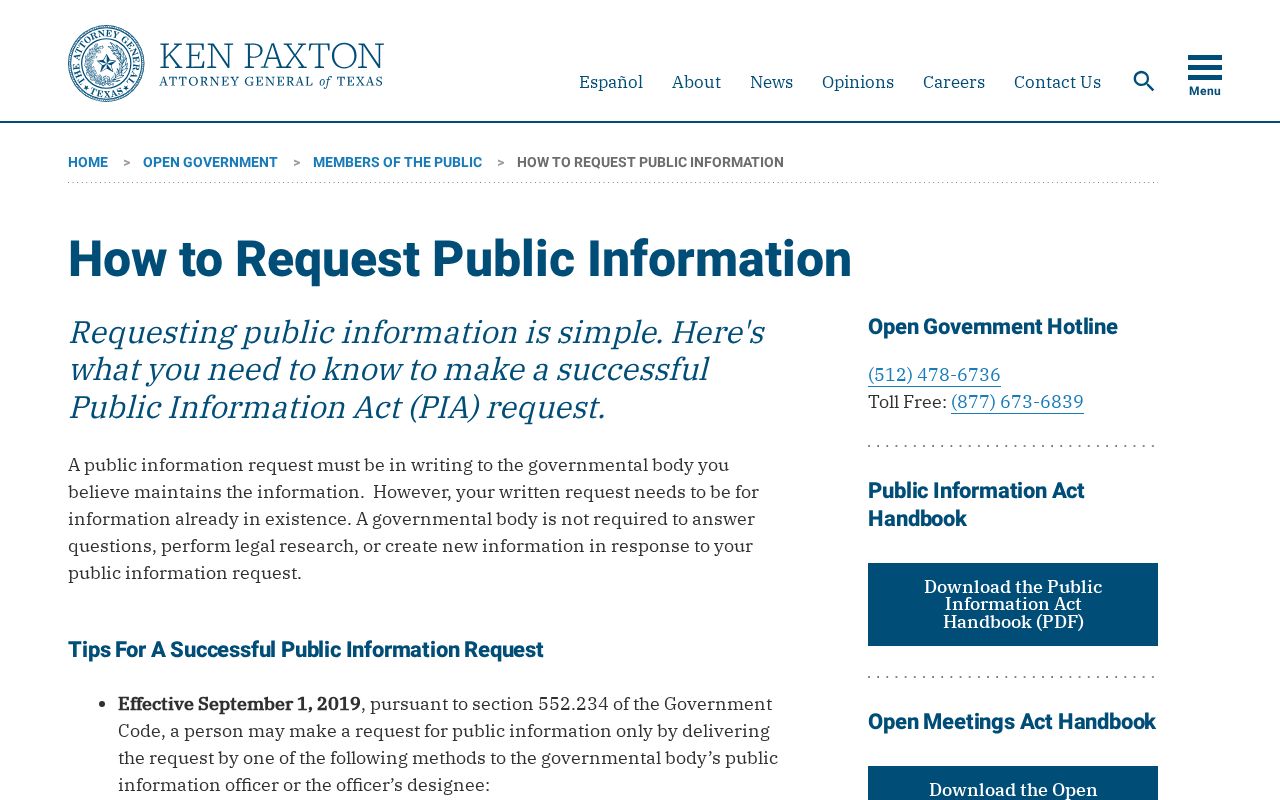
The request route preserves a paper trail without asking a clerk to make an unsupported judgment about whether two names describe the same person.
Privacy Rules for McLennan Resident Lookup
Texas records do not create an unrestricted person profile. Protected voter addresses, sealed court files, juvenile and adoption material, vital-record restrictions, DPPA-protected motor-vehicle data, full identification numbers, signatures, and sensitive victim information have separate limits. MCAD offers a written website-removal request for owner information, but the form says removal there does not erase other public or electronic records. Contact the named custodian when a result is wrong rather than replacing it with an unsourced profile.
McLennan Record Roles Are Not Residence
A tax-owner result is not automatically a current occupant result. The same caution applies to a registered agent, a license address, a probate role, and a court party. An owner may use a different mailing address; a parcel may be held by an entity, trust, estate, or several people. A McLennan County resident lookup should report the precise role, source date, and address type instead of converting a public index entry into a timeless claim.
That distinction also improves historical work. The County Clerk’s electronic OPR coverage begins in 1996, while older books, Archives, and microfilm can hold earlier transactions. An absent online result may reflect the record’s age, a spelling variation, a restriction, or a different custodian. It does not settle whether a person ever lived in McLennan County.